Planning a 40HC order: container fill, MOQ and overstock
A full container is cheap freight and expensive stock at the same time. How to decide what goes in, and when to wait.
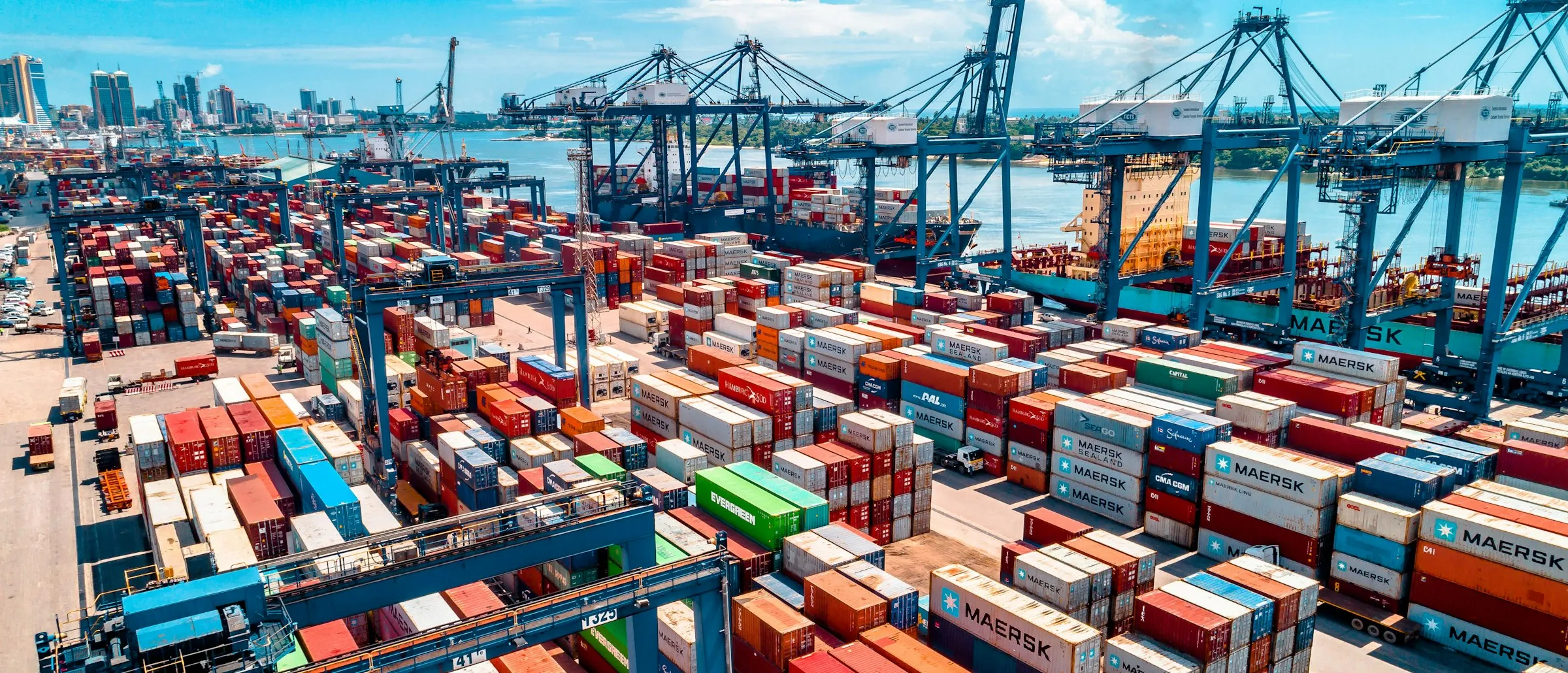
The forecast says you need 70% of a container. Freight is priced per box. Filling the rest looks free, so the box goes full, and three months later the warehouse is full of the wrong things.
Three constraints on one order
A purchase order from an overseas supplier has to satisfy three things at once:
- Demand. What you expect to sell before the next order can arrive.
- Supplier rules. Minimum order quantities per item, carton and pallet multiples.
- The container. Usable volume and maximum payload.
Usable volume is less than the nominal figure. As a rule of thumb, plan on about 28 m³ for a 20ft box, 58 m³ for a 40ft and 68 m³ for a 40ft high cube. Heavy goods such as canned food, tiles or liquids often hit the weight limit before the volume limit, so check both.
Start from demand, then round
Work out the quantity each SKU needs to cover lead time, the review period and safety stock. Subtract what is in stock and on order. Only then round up to cartons and apply the supplier's MOQ. If you start from the container and fill backwards, you are planning freight, not stock.
When filling the box is right
Topping up makes sense when the extra items are fast movers with a stable forecast, when the next order from the same supplier is far away, or when the freight saving per unit is larger than the cost of holding the extra stock for the weeks it will sit. A useful check: how many extra weeks of cover does the top-up create? Two or three weeks on an A item is usually fine; six months on a C item is not.
When to ship part-full
Ship below full when the only way to fill is slow movers, when demand is uncertain enough that the downside scenario would leave you overstocked, or when cash is tight. A 70% container that sells through is cheaper than a full one that does not. Consolidating with a second supplier in the same port, or switching to LCL for a small order, are often better than buying stock you do not need.
Look at the downside scenario
The quickest sanity check is to run the order against your downside forecast. If the top-up items would still sell within a reasonable time, fill the box. If they would not, the freight saving is not a saving.
Make the decision visible
Whatever you decide, record why. "Filled to 97% with fusilli and penne, both A items, adds three weeks of cover" is a decision the next planner can understand. "Filled the container" is not.