Downside, base, upside: buying when demand won't sit still
A single forecast number hides the decision you actually have to make. Three scenarios make it visible.
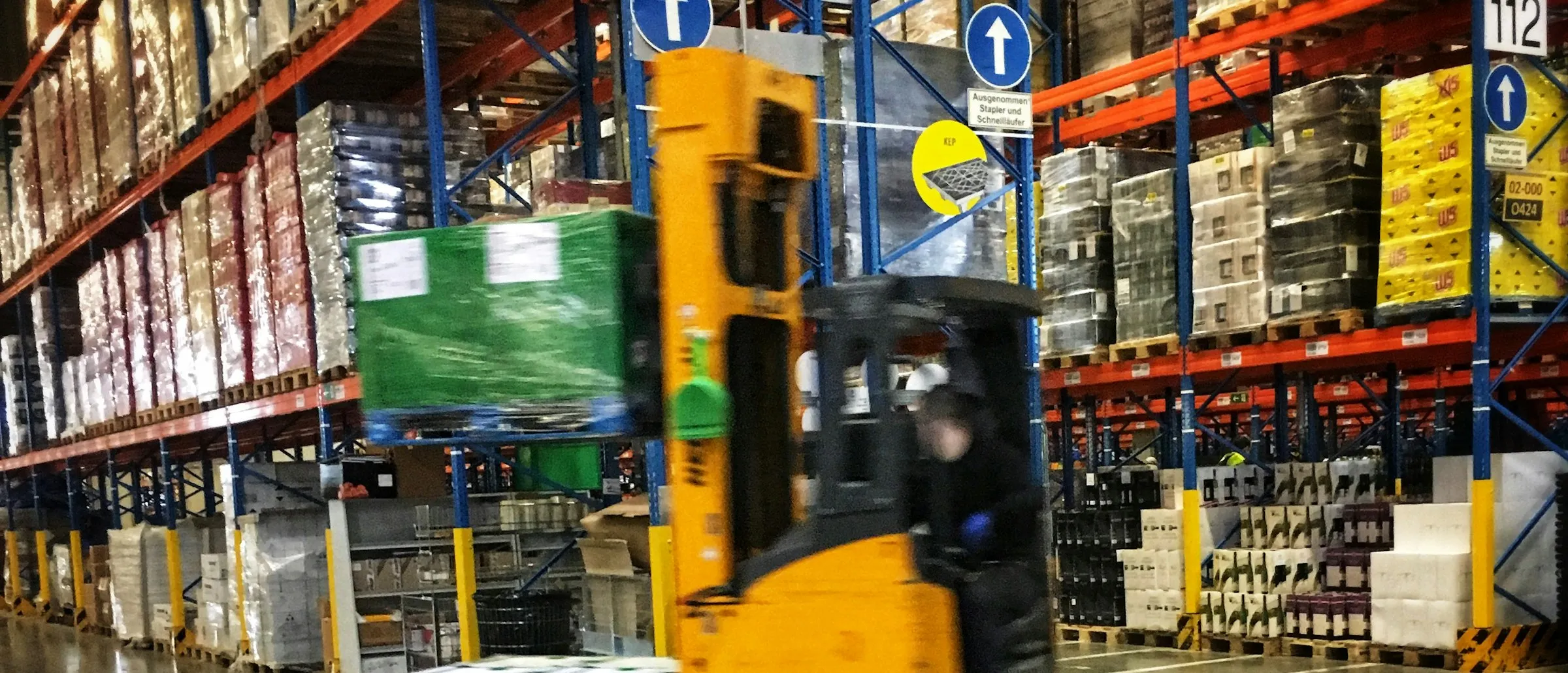
Every forecast is wrong by some amount, and for distributors in Central and Eastern Europe that amount has grown: energy prices, currency swings, war, tariffs and shifting supply routes now sit on top of ordinary seasonality. A single forecast line hides how far the outcome can move, which is the part a buyer most needs to see.
What three scenarios actually are
Start from a base forecast for each SKU, built from its own history with the method that predicted its past best. Then apply a downside and an upside: in Allocates.ai, the defaults are 0.82 and 1.15 times the base. They are planning assumptions, documented and adjustable, not predictions of a specific event.
The point is not to pick one. It is to see how the order changes between them.
Reading the spread between scenarios
For some SKUs, the suggested order barely moves across the three scenarios. Those are easy: order the base. For others, the downside needs nothing and the upside needs a full container. That spread is the real risk, and it is invisible when you only look at one number.
Three questions help:
- What does the downside cost? If demand drops and you ordered for base, how many weeks of extra stock do you hold, and can it be sold or returned?
- What does the upside cost? If demand jumps and you ordered for base, how many days are you out of stock, and what does that lose?
- Can you change your mind later? A short lead time lets you order for base and top up. A twelve-week sea lead time does not.
A simple rule for long lead times
When the lead time is long and the item is profitable and durable, lean towards the upside: stock-outs are expensive and the next chance to order is far away. When the item is perishable, seasonal or slow, lean towards the downside: overstock is the bigger risk. Everything else, order the base.
Write the reason down
Whatever you choose, keep the reason next to the quantity. "Ordered upside, 8-week lead time, A item, stock-out in 10 days" will still make sense to the person who reviews the plan next month.